
The 2026 RAM Shortage: Why Your Next Laptop or Phone Costs So Much More

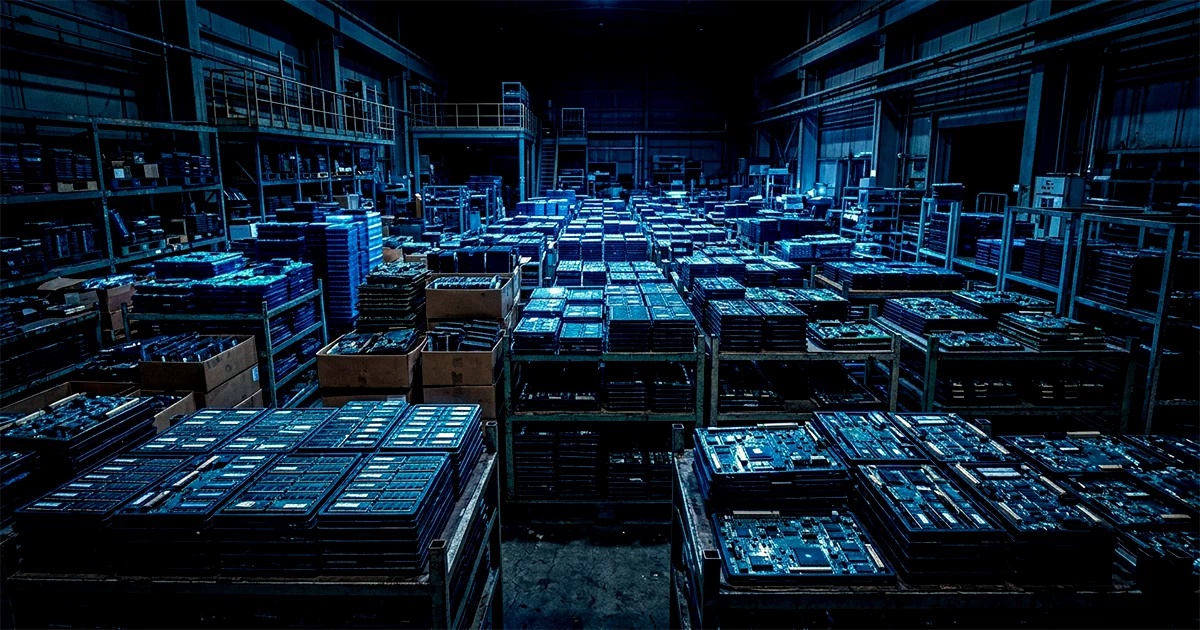
RAM prices have surged 300–600% since 2024–2025 due to AI data centers buying up nearly all available memory chip production for AI servers. This has pushed DDR5 contract prices up more than 90% in early 2026 alone, forced manufacturers like Micron to shut down consumer-focused brands, and is expected to raise laptop and phone prices by 15–30% through the rest of the year, with no real relief predicted before late 2027.
If you check the price of a new laptop recently and feel like the number on the screen couldn’t possibly be right, you’re not imagining things. It is shocking that a 32GB DDR5 RAM, which would have cost you somewhere around $60 to $125 back in early 2025 is now going for well over $370, and in some configurations, prices have jumped even higher than that. Many people step back when they hear the price is too high and go for used options.
This isn’t like the 2021 chip shortage everyone remembers, where factory shutdowns threw everything into chaos. This time, the factories are running fine. The problem is that almost everything they’re making is getting bought up before it ever reaches a laptop, phone, or gaming PC.
So What’s Actually Causing This?
The short version: AI data centers need an enormous amount of memory, and there simply isn’t enough of it to go around anymore.
The kind of memory used in AI servers, called high-bandwidth memory, is a specialized, stacked version of standard RAM that takes roughly three times more production resources to manufacture than the memory that goes into a regular laptop. Companies building AI infrastructure — Nvidia, AMD, Google, and others — have been placing open-ended orders with manufacturers, essentially telling them they’ll buy however much can be produced, no matter the price.
That kind of demand is impossible for suppliers to ignore. There are only three companies that make the vast majority of the world’s memory chips — Samsung, SK Hynix, and Micron — and all three have been shifting production capacity toward these high-margin AI orders instead of the standard consumer memory that used to fill the bulk of their factories. In February 2026, Micron went as far as winding down Crucial, its own consumer-facing memory brand, to focus more fully on enterprise AI customers. The consumer memory market didn’t just get more expensive that day — it lost one of its main suppliers entirely.
The Numbers Are Genuinely Wild
It’s one thing to say prices went up. It’s another to actually see the jump.
DRAM contract prices, the rate manufacturers charge before it even reaches a store shelf, rose somewhere between 90% and 95% in a single quarter at the start of 2026, followed by another 58% to 63% increase the quarter after that. Consumer-facing prices have climbed even further once retail markups are factored in, with some trackers putting overall DRAM prices at three to six times where they sat during their 2024–2025 lows.
RAM sellers have felt it directly too. One modular PC maker raised its per-gigabyte RAM pricing multiple times this year, and the jumps tell their own story — an 8GB module that cost $60 climbed to $80, a 16GB option went from $120 to $160, and a 48GB configuration that was $240 not long ago now runs around $620. SSD storage hasn’t been spared either, with early-2026 quarterly price increases estimated between 53% and 58%.
The ripple effects have reached well beyond RAM sticks sold on their own. Apple is too smart that’s why it quietly pulled its higher-memory Mac mini and Mac Studio configuration from sale earlier this year, and the next-generation Mac Studio missed its expected debut at WWDC entirely. The more famous brands had already increased the price by 15% to 20% on all their products in 2024. Analysts even predict that the final price tags on completed devices could jump by as much as 30%. Even GPUs and hard drives are starting to show the same pressure, with at least one major graphics card model quietly discontinued as the shortage spread beyond just memory chips.
When Will This Actually End?
Not soon, unfortunately. New memory manufacturing facilities take years to build and bring online, and most analysts don’t expect any of the new capacity currently being planned to come online before 2027 at the earliest — some estimates stretch that timeline out to 2030 for a full return to normal supply levels. Since AI infrastructure spending shows no signs of slowing down, the demand side of this equation isn’t going away either.
There’s also a quieter tactic worth knowing about. Rather than raising prices on the exact same product, some manufacturers are expected to quietly reduce the specs of devices instead — shipping a laptop with less RAM or a smaller SSD than its predecessor while keeping the price tag looking familiar. It’s a subtle move, but it means the sticker price alone won’t always tell the full story of what you’re actually getting for your money.
What This Means If You’re Buying a Device Soon?
If a new laptop, phone, or PC is somewhere in your near-term plans, a few things are worth keeping in mind before you check out.
Buying sooner rather than later genuinely makes financial sense right now, since most signs point toward prices climbing further rather than settling down anytime soon. It’s also worth checking the actual spec sheet more carefully than usual — with manufacturers under pressure to hit familiar price points, the base RAM or storage on a “same” model this year may quietly be lower than what you’d have gotten a year ago. And if you’re building or upgrading a PC yourself, locking in memory now, even if it feels expensive compared to what you remember paying, is likely cheaper than waiting for a quarter where prices are even higher.
None of this is going to feel great if you were hoping to catch a good deal. But understanding why it’s happening at least makes the price tag make sense — and gives you a real basis for deciding whether to buy now or wait it out.
Frequently Asked Questions
Q1: Why are RAM and laptop prices so high in 2026?
AI data centers are buying nearly all available memory chip production for AI servers, leaving very little standard RAM supply for consumer laptops, phones, and PCs, which has driven prices up sharply throughout 2026.
Q2: How much have RAM prices increased in 2026?
Consumer RAM prices have risen roughly 300% to 600% compared to their 2024–2025 lows, with DRAM contract prices increasing more than 90% in a single quarter at the start of the year.
Q3: When will RAM prices go back to normal?
Most analysts don’t expect meaningful relief before late 2027, since new memory manufacturing capacity takes years to build and AI-driven demand isn’t expected to slow down anytime soon.
Q4: Is it a good idea to buy a laptop now or wait?
Based on current pricing trends, buying sooner rather than later tends to make more financial sense, since manufacturers have repeatedly warned that prices are expected to keep climbing through 2026.
Q5: Are SSDs affected by the RAM shortage too?
Yes, SSD prices have also risen sharply in 2026, with early-year quarterly increases estimated between 53% and 58%, as the same manufacturers producing RAM also produce NAND flash storage.