India’s Political Landscape in 2026: What’s Actually Changed This Year

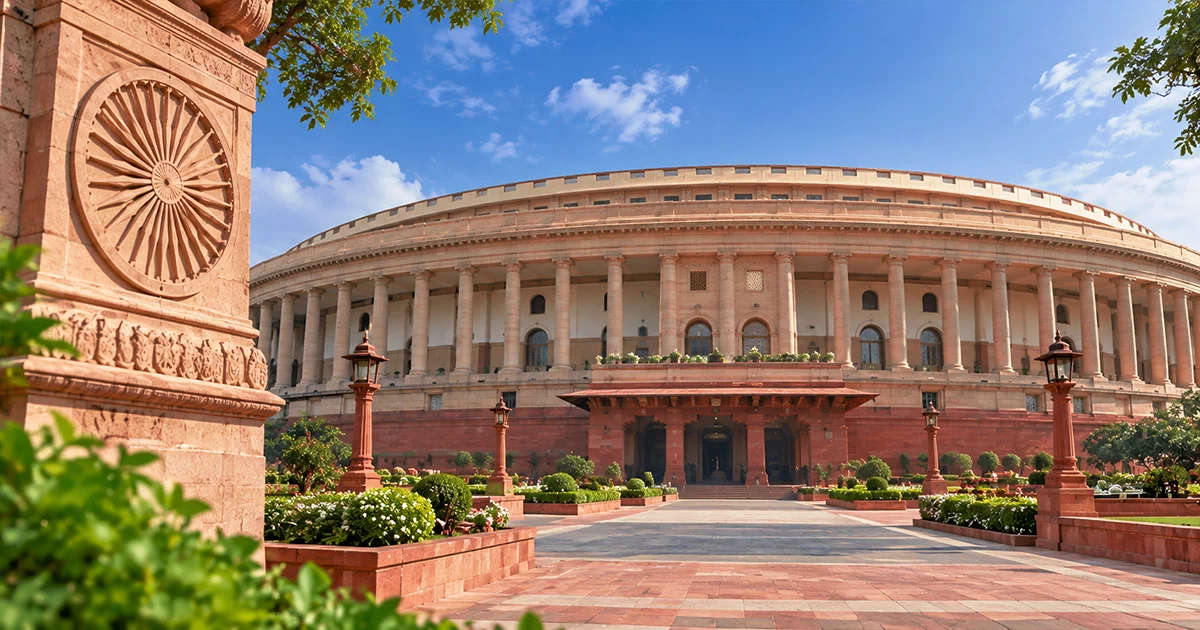
Indian politics in 2026 has followed a storyline few analysts would have predicted after the 2024 general election. Back then, the BJP’s underperformance in that vote had commentators seriously asking whether the party — and Prime Minister Narendra Modi’s dominance specifically — had peaked. Eighteen months later, that question has largely disappeared from the conversation. Here’s a factual look at what’s actually shifted this year, without picking a side on what it means.
The state election wins that reshaped the narrative
Since the 2024 general election, the BJP has made a steady series of state victories: Haryana, Jharkhand, Maharashtra, Delhi, and Bihar all went the ruling party’s way in the period following the election year. That sequence of victories extended up to the mid-2020s with a major outcome: the BJP won West Bengal, a constituency where the party had been at cross-purposes for many years with Mamata Banerjee’s Trinamool Congress as Chief Minister. Political commentators, including those from the Carnegie Endowment for International Peace, have referred to the extent of this achievement as being a sign of the effective political obituary of the Trinamool Congress as the leading party in the state. This authentic change is particularly significant since Banerjee’s party seemed pretty settled in West Bengal politics over a decade.
Taken together, this string of results has led several political observers to describe India as having settled back into what’s being called a “dominant party era” — a period in which the ruling party faces limited effective opposition at the state level, even if that dominance doesn’t always translate into equally commanding national vote-share margins. It’s worth being precise about what this framing does and doesn’t claim: it’s a description of the current electoral landscape based on recent results, not a value judgment on whether that’s a good or bad thing for Indian democracy — a debate political commentators across the spectrum continue to have.
What’s still on the election calendar?
The electoral calendar hasn’t slowed down. The Bombay Municipal Corporation elections are among the major polls still ahead in 2026, alongside a series of state assembly by-elections scheduled through the second half of the year — including contests in Nagaland, Tamil Nadu, and Puducherry, several triggered by sitting MLAs resigning or, in at least one case, the death of a sitting legislator. These by-elections tend to get less national media attention than general or state assembly elections, but they’re a genuine, ongoing test of how the current political mood is actually translating into votes at a more local level, away from the bigger national headlines.
Where the opposition has been pushing back?
Away from the electoral results themselves, opposition parties have continued raising specific grievances through the year, several of which made regular headlines. Leaders in the Lok Sabha have pressed the government on issues ranging from infrastructure and governance gaps in Delhi to broader questions about legislative process — with one notable episode this year involving opposition pressure that reportedly led the government to engage in more substantive consultation before passing certain bills, according to political reporting from the period. Separately, state-level opposition figures — including within the Gujarat Pradesh Congress Committee — have raised concerns this year about political funding practices involving smaller, unrecognised parties, alleging their use as a mechanism to fragment opposition votes in specific constituencies.
These are, worth stating plainly, contested claims rather than settled facts — the kind of allegations that are a normal and expected part of opposition politics in any democracy, and this article isn’t taking a position on their accuracy. They’re included here because they’re part of the actual political conversation happening in 2026, not because either side’s framing should be taken as the final word.
The foreign policy backdrop shaping domestic politics too
2026 has also been a genuinely active year on the foreign policy front, and it’s increasingly hard to separate from the domestic political story. India has been engaging heavily with European partners, with discussions around an EU-India Free Trade Agreement advancing significantly through the year, alongside high-profile visits from European leaders. An AI summit hosted in India in February brought additional international attention to the country’s growing role in global technology policy discussions.
Against that, the relationship between the Indian government and the Trump administration in the United States has remained genuinely strained through much of 2026, without a clear resolution emerging — a point of friction that foreign policy commentators have flagged as one of the more difficult and unresolved threads in India’s international relationships this year, even as other bilateral relationships have strengthened.
The bigger picture
Put together, 2026’s political story in India is really two intertwined threads: a ruling party that’s re-established a dominant position across a run of state elections after a period of genuine uncertainty following 2024, and an opposition that’s still searching for a consistent formula to meaningfully contest that dominance at scale, even while continuing to raise specific, contested criticisms on individual issues. Neither thread is fully resolved as the year continues — the remaining state and municipal elections still on the calendar, along with how the West Bengal result’s long-term effects play out, will likely shape a meaningful part of how 2026 ultimately gets remembered politically.
This overview reflects publicly reported political developments and analysis from multiple sources as of the time of writing. Political claims and interpretations from different parties are presented as reported, not verified or endorsed.