
Healthspan vs. Lifespan: Why 2026 Fitness Is No Longer About How You Look

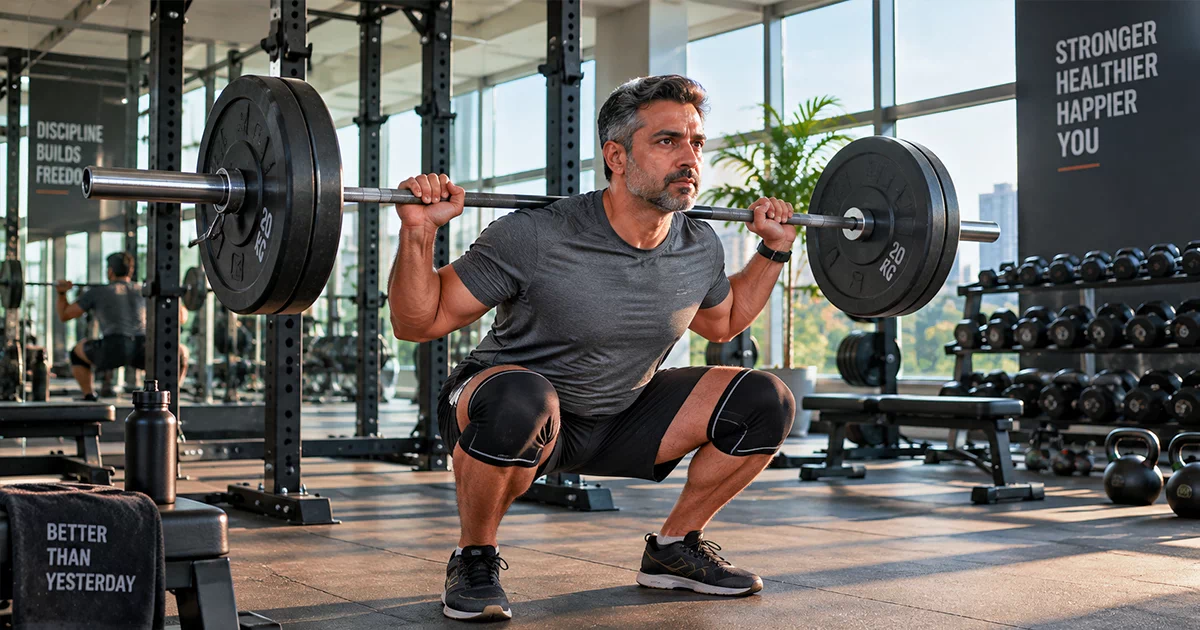
During the last twenty years ” getting a healthy body” almost always means “getting a good looking body”. We monitored our diets, focused on getting six-pack abs, and even judged ourselves by the numbers on the scale.
In 2026, that narrative has officially broken down.
Past to this moment, for only 20 years, the idea of “having a healthy body” was equvalently seen of “body that looks good”. We limited our food based mostly on calories count, chased after well-defined six-pack muscles with no end, and measured our physical value through the number displayed on the scale in the bathroom at mornings.
Aided by groundbreaking longevity studies and influenced largely by culture, fitness enthusiasts, certified personal trainers, and doctors are now zeroing in on an even bigger measure of value: healthspan.
Lifespan is merely a figure for how many years you live, while healthspan is a measurement of those years during which you are capable of performing physical activities, independent, free to move around, not afflicted with chronic and seriously debilitating diseases, and you enjoy completely full freedom from them.
This change is being highlighted by data from a 2026 survey conducted by the National Academy of Sports Medicine (NASM) on 625 fitness professionals: the fastest-growing client goals they are currently encountering are not related to appearance; they are longevity, functional mobility, and healthy aging. People are starting to understand the importance of training for long-term performance rather than just looking good in summer.
Here is an in-depth breakdown of what modern exercise science says about building a body designed to last a lifetime.
The Paradigm Shift: From Aesthetics to Functional Independence
The main discussion determining the fitness environment in 2026 appears to be not only clear enough but of deeper importance. Data from a paper released by Les Mills together with the American College of Sports Medicine (ACSM) reveals that the major direction of global fitness will be longevity-focused exercises. Such a type of activity includes getting joints movable again, the body’s system to recover after exercise, and working on strength that won’t wear out the whole structure it goes against fast, skin-deep results.
Instead of measuring your progress solely through body fat percentages or weight loss, the Healthspan Model forces you to evaluate your routines with practical, real-world questions:
- “Will this workout allow me to comfortably carry heavy groceries up two flights of stairs when I am 75?”
- “Can I get up off the floor without assistance or joint pain?”
- “Am I protecting my independence for my 70s, 80s, and beyond?”
To answer these questions, exercise science has established two foundational movement pillars: Progressive Strength Training and Zone 2 Cardio.
Pillar 1: Progressive Strength Training as Your “Metabolic Armor”
The single most repeated recommendation in modern exercise science is progressive resistance training. The reason for this goes far deeper than building visible biceps or lowering a pant size. Longevity researchers now refer to skeletal muscle as your primary “metabolic armor”.
In general, when you reach your 30s, your body starts naturally and slowly losing the bulk of muscles as well as getting physically less capable of doing stuff a condition called sarcopenia. If you do nothing about it, sarcopenia weakens bones, harms metabolic health, and puts you at a very high likelihood of falling and suffering from injuries that will severely impair the quality of your life.
The Physiological Benefits of Muscle as You Age
- Glucose Disposal & Insulin Sensitivity: Skeletal muscle is the body’s primary sink for glucose storage. Maintaining muscle tissue drastically lowers the risk of type 2 diabetes and metabolic dysfunction.
- Bone Mineral Density: Heavy compound loading stimulates osteoblasts, keeping bones dense and resistant to osteoporosis.
- Sarcopenia Prevention: Resistance training is currently the only scientific intervention known to actively combat, halt, and reverse age-related muscle loss.
- All-Cause Mortality Cushion: Increased muscle mass and grip strength consistently correlate with lower rates of mortality across all major medical studies.
How to Train for Longevity (Ditch the “Toning” Myth)
If you’re over 30 or 40, it is time to ditch high-repetition, light-weight “toning” routines. Real longevity gains come from progressive overload using multi-joint compound movements:
- The Hinge: Deadlifts, Romanian deadlifts, or kettlebell swings to strengthen the posterior chain (glutes, hamstrings, lower back).
- The Squat: Goblet squats or barbell back/front squats to protect knee health and maintain quadriceps power.
- Push & Pull: Overhead presses, push-ups, rows, and pull-downs to maintain shoulder integrity and posture.
Focus on tempo (slow, controlled eccentric phases), proper form, and steady progress rather than chasing extreme exhaustion.
Pillar 2: Zone 2 Cardio & The Power of VO2 Max
For decades, an annoying myth persisted in gyms everywhere: that doing cardiovascular exercise burns away your hard-earned muscle. Fortunately, modern research on concurrent training has put an end to that debate.
In 2026, the cardiovascular hero of longevity is Zone 2 training—low-intensity, steady-state aerobic work performed at a pace where you can easily hold a full conversation without gasping for air.
Why Zone 2 Cardio Is Essential?
- Mitochondrial Health: Zone 2 exercise forces your cells to build larger, more efficient mitochondria (the energy powerhouses of your cells). This optimizes metabolic flexibility and allows your body to burn fat efficiently for fuel.
- Zero Systemic Burnout: Unlike High-Intensity Interval Training (HIIT), which creates massive central nervous system fatigue and spikes cortisol, Zone 2 can be sustained regularly without impairing your strength workouts.
- Dramatically Raises VO2 Max: VO2 Max (the maximum volume of oxygen your body can utilize during exercise) has emerged in exercise science as one of the single strongest predictors of all-cause mortality ever measured. Higher VO2 max levels directly correlate with living a longer, healthier life.
The Ideal Prescription
Leading longevity protocols recommend 150 to 200 minutes of Zone 2 cardio per week. This can be broken down into three or four 45-minute sessions of brisk walking, incline treadmill walking, light stationary cycling, or rowing.
Pillar 3: “Nervous System Hygiene” & Active Recovery
Perhaps the most unique evolution in 2026 fitness research is the shift in how we view recovery. Recovery is no longer treated as an optional rest day or something you do only after getting injured; it is integrated directly into the training process itself as “nervous system hygiene.”
High-stress lifestyles keep most adults stuck in a chronic state of sympathetic nervous system dominance (“fight or flight”). Training on top of a chronically stressed system leads to burnout, plateauing, and injury.
Modern Recovery Tools
- Post-Workout Somatics & Breathwork: Ending workouts with 3–5 minutes of slow, diaphragmatic breathing (such as physiological sighs or box breathing) flips the body into parasympathetic dominance (“rest and digest”), initiating tissue repair immediately.
- Sleep Architecture: Sleep is recognized as the ultimate performance enhancer. Deep slow-wave sleep is when human growth hormone (HGH) peaks to repair cellular tissue and clear metabolic waste from the brain.
- Mobility Work: Integrating controlled articular rotations (CARs) and dynamic stretching maintains full joint range of motion, keeping movement painless across decades.
Pillar 4: Smart Wearables & Data-Driven Personalization
We have moved far beyond the early days of basic step counters and inaccurate calorie burners. In 2026, wearable technology provides real-time biological feedback that shapes dynamic, hyper-personalized training routines.
Modern devices measure:
- Heart Rate Variability (HRV): High HRV indicates a well-recovered nervous system ready for heavy loading, while low HRV warns that your body requires light movement or rest.
- Sleep Architecture: Detailed breakdowns of REM and deep sleep stages help explain fluctuations in daily energy and cognitive performance.
- Recovery Scoring: AI-coached wearables synthesize biometric data to auto-regulate your workouts, preventing overtraining before it occurs.
Instead of blindly following a rigid 4-week workout calendar regardless of how exhausted you feel, data-driven fitness allows you to adapt your training intensity to match your body’s actual biological readiness.
A Practical 6-Week Healthspan Framework
For anyone returning to exercise, recovering from burnout, or transitioning away from aesthetic-only goals, this beginner-friendly 6-week progressive roadmap builds a lifelong foundation:
| Phase | Duration | Primary Training Focus | Weekly Cardio & Recovery |
| Phase 1: Foundations | Weeks 1–2 | Master basic movement patterns (hinge, squat, push, pull, carry) using light resistance or body weight. Focus strictly on technique. | 30-minute daily walks to establish a baseline aerobic habit. |
| Phase 2: Building Load | Weeks 3–4 | Introduce moderate weights using slow, controlled tempos (e.g., 3 seconds lowering down). Perfect form under resistance. | Add two dedicated 30-minute conversational Zone 2 cardio sessions. |
| Phase 3: Progressive Overload | Weeks 5–6 | Gradually increase working weights while maintaining pristine movement form. Push closer to true functional strength. | Build to 150 minutes total of weekly Zone 2 cardio alongside 3–4 strength sessions. |
Essential Longevity Guidelines for Adults Over 40
If you are over 40 or jumping back into physical activity after a prolonged hiatus, keep these down-to-earth principles in mind:
- Never drop strength training for pure cardio: Cardio is fantastic for heart health, but it cannot stop sarcopenia or bone mineral loss on its own. You must lift weights.
- Zone 2 should feel surprisingly easy: If you are breathing heavily through your mouth or unable to speak in full sentences, you have pushed into Zone 3 or 4. Slow down—there is no benefit to exhausting yourself on easy cardio days.
- Respect recovery as much as the workout: Breathwork, quality sleep, and structured rest days are active investments in your longevity, not signs of laziness.
- Ditch the bathroom scale: Measure your progress by real-life functional wins: How easily do you jump up from the floor? How clean is your sleep quality? How vibrant is your daily energy?
Living well into old age is not by joining short, grueling fitness programs or resorting to starvation diets. It requires that you develop stable and sustainable lifestyle habits. These include training to lift heavier weights under control, maintaining the health of your heart and lungs, and honoring your regeneration period to keep your body strong, fit, and energetic to serve you in your upcoming years.





AI Agents Are Starting to Hack at Machine Speed — And Cybersecurity Teams Have Less Time to React
For years, “AI hacking” usually meant a human hacker using artificial intelligence to work…

7 Underrated Travel Destinations to Visit Before Everyone Else in 2026
The most underrated travel destinations to visit in 2026 are Kyrgyzstan, Laos, Madagascar, Montenegro, …