PM Vishwakarma Yojana: 18 Trades, Toolkit, Stipend, Loans and How to Apply

PM Vishwakarma Yojana is a Central Sector Scheme of the Ministry of Micro, Small and Medium Enterprises that supports traditional artisans and craftspeople with recognition, skill training, modern toolkits, collateral-free credit, a digital-transaction incentive and marketing support. It was launched on 17 September 2023 and, as described in official PIB material, is fully funded by the Government of India with an initial outlay of Rs 13,000 crore through 2027-28. This guide summarises the 18 trades and the benefits listed on the CSC PM Vishwakarma page and related PIB explainers. It does not invent enrolment targets or state-wise quotas.
Who the scheme is for
PM Vishwakarma covers artisans and craftspeople working with their hands and tools in 18 trades. As listed by CSC / MSME material, the trades are:
- Carpenter (Suthar/Badhai)
- Boat Maker
- Armourer
- Blacksmith (Lohar)
- Hammer and Tool Kit Maker
- Locksmith
- Goldsmith (Sonar)
- Potter (Kumhaar)
- Sculptor (Moortikar, stone carver) / Stone breaker
- Cobbler (Charmkar) / Shoesmith / Footwear artisan
- Mason (Rajmistri)
- Basket / Mat / Broom Maker / Coir Weaver
- Doll and Toy Maker (Traditional)
- Barber (Naai)
- Garland maker (Malakaar)
- Washerman (Dhobi)
- Tailor (Darzi)
- Fishing Net Maker
You should confirm trade definitions and eligibility documents on the scheme portal before applying, because local Common Service Centres will check the trade against the guidelines in force.
Benefits under PM Vishwakarma
Official scheme summaries list these components:
- Recognition: a PM Vishwakarma certificate and ID card.
- Skill upgradation: basic training of 5-7 days and advanced training of 15 days or more, with a stipend of Rs 500 per day.
- Toolkit incentive: up to Rs 15,000 as an e-voucher at the beginning of basic skill training.
- Credit support: collateral-free enterprise development loans of up to Rs 3 lakh in two tranches of Rs 1 lakh (tenure 18 months) and Rs 2 lakh (tenure 30 months), at a concessional interest rate of 5%, with Government of India interest subvention to the extent of 8%. The first tranche is available after basic training. The second tranche needs a standard loan account after the first tranche, plus either adoption of digital transactions in the business or completion of advanced training.
- Digital transaction incentive: Re 1 per digital payout or receipt, up to a maximum of 100 transactions a month, credited to the beneficiary's account.
- Marketing support: quality certification, branding, onboarding on e-commerce platforms such as GeM, advertising, publicity and other linkage support.
How to apply
Applications are processed through the PM Vishwakarma ecosystem, including Common Service Centres. The CSC page points applicants to pmvishwakarma.gov.in for more detail. In practice you will need Aadhaar-linked identity details, bank account information, and proof that you practise one of the notified trades, as demanded by the current online form and the CSC operator. Do not pay anyone who claims to "guarantee" approval outside the official process.
A PIB factsheet dated February 2025 reported that, as of 28 January 2025, about 2.65 crore applications had been submitted and about 27.01 lakh applications successfully registered. Those figures are dated; check the portal dashboard for any newer official numbers rather than relying on social-media forwards.
What to prepare before you visit a CSC
- Aadhaar and mobile number linked to Aadhaar for OTP authentication.
- Savings bank account details for stipend, incentive and loan disbursement.
- Clear information on your trade and years of practice, matching one of the 18 notified trades.
- Passport-size photograph and any trade-support documents the local CSC checklist asks for.
Keep copies of the acknowledgement, certificate and ID card once issued. Loan papers should be read for repayment tenure, the 5% concessional rate and what "standard account" means before you take the second tranche.
How it connects with other livelihood schemes
If you are comparing central schemes for households and micro-enterprises, read our round-up of new government schemes in 2026, the Lakhpati Didi / Yojana 2026 loan explainer, PM Surya Ghar Yojana 2026, NPS Vatsalya, the PM Kisan installment guide, and Skill India at 10 years. PM Vishwakarma is specifically built around traditional trades rather than a general education stipend or farm income support.
Practical tips
Complete basic training before you expect the toolkit voucher or the first loan tranche. Use digital payments in the business if you plan to qualify for the second tranche through the digital-transaction route. For marketing support, ask the implementing agency how GeM onboarding and branding help are actually delivered in your district; national brochures describe the component, but local timelines vary.
Beware of agents who ask for large upfront cash to "speed up" a Vishwakarma ID. Official recognition and credit flow through notified channels. If a CSC operator asks for the prescribed service charge only, ask for a receipt.
Artisans who already take informal loans at high interest should compare the scheme's 5% concessional rate and the staged tranche design with their current credit cost. The second tranche is not automatic: the guidelines summarised by CSC require a standard first-loan account plus either digital adoption or advanced training. Keeping repayment on time is therefore part of unlocking the full Rs 3 lakh ceiling.
Frequently asked questions
How many trades does PM Vishwakarma cover?
Eighteen traditional trades, from carpenter, blacksmith and potter to tailor, barber and fishing-net maker, as listed on the CSC scheme page.
What is the toolkit amount?
Up to Rs 15,000 as an e-voucher at the start of basic skill training.
What is the training stipend?
Rs 500 per day during the notified basic and advanced training periods.
How large are the loans?
Up to Rs 3 lakh in two collateral-free tranches (Rs 1 lakh and Rs 2 lakh) at 5% interest, with 8% interest subvention from the Government of India, subject to the training and account conditions in the guidelines.
What is the digital incentive?
Re 1 per digital transaction, capped at 100 transactions a month.
Sources: csc.gov.in/pmvishwakarma, pmvishwakarma.gov.in, and PIB factsheet material on PM Vishwakarma (including the February 2025 skill factsheet). Benefits and processes can be updated by MSME; confirm on the official portal before you apply.
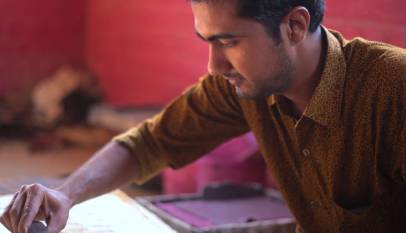
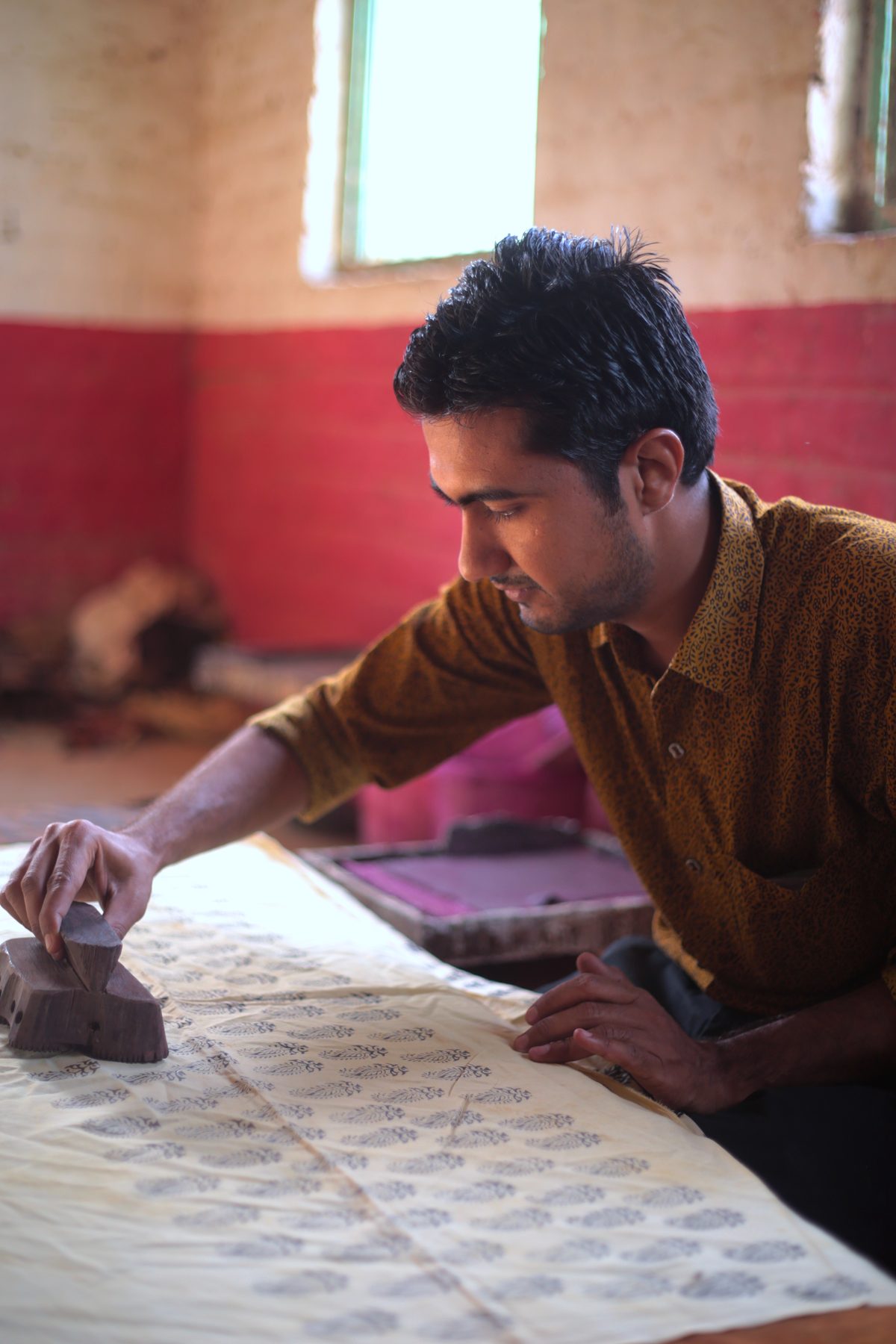
Featured image: Bsfs / Wikimedia Commons, CC BY-SA 4.0 (resized). Illustrative artisan photograph; not a PM Vishwakarma publicity still.