PM SVANidhi: Loans, Benefits and How to Apply Guide

PM SVANidhi is the central micro-credit scheme for urban street vendors, jointly steered by the Ministry of Housing and Urban Affairs (MoHUA) and the Department of Financial Services (DFS). Launched in June 2020 during the COVID-19 shock to informal livelihoods, the scheme's lending period has been extended to March 2030, according to the PIB FAQ dated 30 May 2026. This explainer sticks to those FAQ figures for loans, subsidies, digital incentives and outreach, and points vendors to the official portal for applications.
What PM SVANidhi offers
Street vendors can access collateral-free working capital in progressive tranches of Rs 15,000, Rs 25,000 and Rs 50,000. The same PIB FAQ lists a 7 percent per annum interest subsidy for timely repayment, credit-guarantee support, and UPI-linked RuPay credit cards of up to Rs 30,000 for eligible vendors. Digital transactions are nudged with cashback incentives (the FAQ cites cashback support up to Rs 1,600 as part of the digital push). Vendors who repay on time become eligible for higher tranches in later cycles.
On average, the FAQ says loan processing and approval take about 23 days, subject to verification and completed paperwork. That is an average, not a guaranteed SLA for every Urban Local Body (ULB) or lending institution.
Who counts as a street vendor
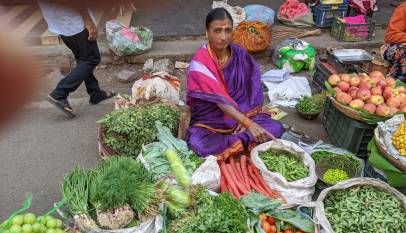
PIB defines a street vendor or hawker as a person who vends articles, goods, wares, food or merchandise of daily use, or who offers services on a street, footpath or pavement from a temporary structure or by moving place to place. Examples in the FAQ include vegetables, fruit, ready-to-eat street food, barbers, cobblers and laundry services. Holding a Certificate of Vending (CoV), vending ID or Letter of Recommendation (LoR) from the relevant ULB is the usual documentary path into the scheme's loan flow.
Scale of the scheme (PIB FAQ, 30 May 2026)
- More than 75.5 lakh street vendors have taken more than 112 lakh loans.
- More than Rs 17,800 crore has been disbursed.
- Beneficiaries have received nearly Rs 800 crore through interest subsidies and digital cashback incentives.
- More than 55 lakh vendors completed over 841 crore digital transactions worth nearly Rs 8.96 lakh crore.
- Under SVANidhi se Samriddhi, more than 50 lakh families have been profiled and over 1.52 crore welfare benefits sanctioned across selected central schemes.
- Nearly 46 percent of beneficiaries are women; around 70 percent belong to marginalized communities, per the same FAQ.
- Independent studies cited for 2023 and 2025 report stronger formal-credit access, with nearly 95 percent of beneficiaries accessing institutional credit for the first time through the scheme, and average beneficiary incomes rising nearly 20 percent annually in those assessments.
Food-safety training with FSSAI support is also mentioned: around 6 lakh street food vendors trained on hygiene standards.
How to apply
Apply on the scheme portal at pmsvanidhi.mohua.gov.in, through the mobile app where available, or with ULB help. Typical inputs include CoV / vending ID / LoR status, Aadhaar, bank account details and UPI. Survey and LoR categories on the portal (often labelled in A-D style buckets depending on whether a vendor is already surveyed or needs recommendation) decide which document path you follow; use the on-screen category help rather than guessing from older WhatsApp forwards.
Keep photocopies or phone photos of every acknowledgement. If a middleman asks for a large cash fee to “guarantee” a tranche, walk away and use the ULB helpdesk or the official helpline listed on the portal.
How SVANidhi sits beside other livelihood schemes
Artisans in traditional trades should compare PM Vishwakarma Yojana, which is built around toolkits, training stipends and trade-specific credit rather than street-vending working capital. Households scanning wider 2026 benefits can start with our new government schemes 2026 round-up, the Yojana 2026 / Lakhpati Didi loan explainer, NPS Vatsalya and Skill India at 10 years. SVANidhi is specifically for urban street vendors' working capital and digital inclusion, not a general education stipend or farm income transfer.
Practical tips before you apply
- Match the name on Aadhaar, bank passbook and CoV/LoR before you submit.
- Enable UPI on the same account you declare for cashback tracking.
- Ask the lending branch for the interest-subsidy and repayment schedule in writing.
- If you already run a food cart, keep FSSAI training certificates handy where the FAQ's food-safety track applies.
- Track Samriddhi welfare linkages only after your SVANidhi profile exists; do not assume automatic enrolment into every listed central scheme.
Interest subsidy, cashback and why repayment discipline matters
The 7 percent interest subsidy is not a marketing slogan; the PIB FAQ presents it as the main early-repayment incentive, alongside the right to climb into larger tranches. Digital cashback on UPI-linked activity is the second behavioural nudge. Together they reward vendors who keep the loan account standard and who actually route day sales through formal rails. If your current working capital comes from a high-interest informal lender, compare the effective annual cost after subsidy with your present rate before you decide the tranche size.
RuPay credit cards of up to Rs 30,000 are listed for eligible vendors. Eligibility screens and issuer partners are controlled through the scheme's lending ecosystem, so treat the card as a follow-on benefit after your profile clears, not as something you can demand on day one at a CSC without paperwork.
SVANidhi se Samriddhi in plain terms
SVANidhi se Samriddhi profiles beneficiary families and tries to connect them to eight selected central welfare schemes. The May 2026 FAQ's headline numbers—more than 50 lakh families profiled and over 1.52 crore benefits sanctioned—show the scale of that social-protection layer. It does not mean every vendor automatically receives every scheme on the list. Profiling quality, state implementation and individual eligibility still decide outcomes. Ask your ULB which of the eight schemes are actively being pushed in your city and what document pack each one needs.
Documents checklist before you open the portal
- Aadhaar with the mobile number you still control.
- CoV, vending ID or LoR, depending on your survey category.
- Bank passbook or cancelled cheque for the account that will receive the tranche.
- UPI ID linked to that account if you want cashback tracking to stay clean.
- A recent passport-size photograph if your ULB still collects a physical file.
- Any FSSAI or food-safety training proof if you sell prepared food.
ULB camps sometimes accept assisted applications for vendors who are not comfortable with smartphones. Take a trusted family member if you need translation help, but do not hand over your Aadhaar OTP to an unknown agent.
Frequently asked questions
Until when does PM SVANidhi lending run?
The PIB FAQ of 30 May 2026 says the lending period has been extended until March 2030.
What loan amounts are available?
Collateral-free tranches of Rs 15,000, Rs 25,000 and Rs 50,000, with a 7 percent interest subsidy for timely repayment as described in the FAQ.
How long does approval take?
About 23 days on average, per PIB, subject to verification.
Where do I apply?
On pmsvanidhi.mohua.gov.in, via the app, or through your ULB.
Is there a RuPay credit card?
The FAQ lists UPI-linked RuPay credit cards up to Rs 30,000 for eligible vendors.
Sources: PIB FAQ on PM SVANidhi (30 May 2026) and the MoHUA portal pmsvanidhi.mohua.gov.in. Scheme rules and portal category labels can change; confirm on the official site before you apply.
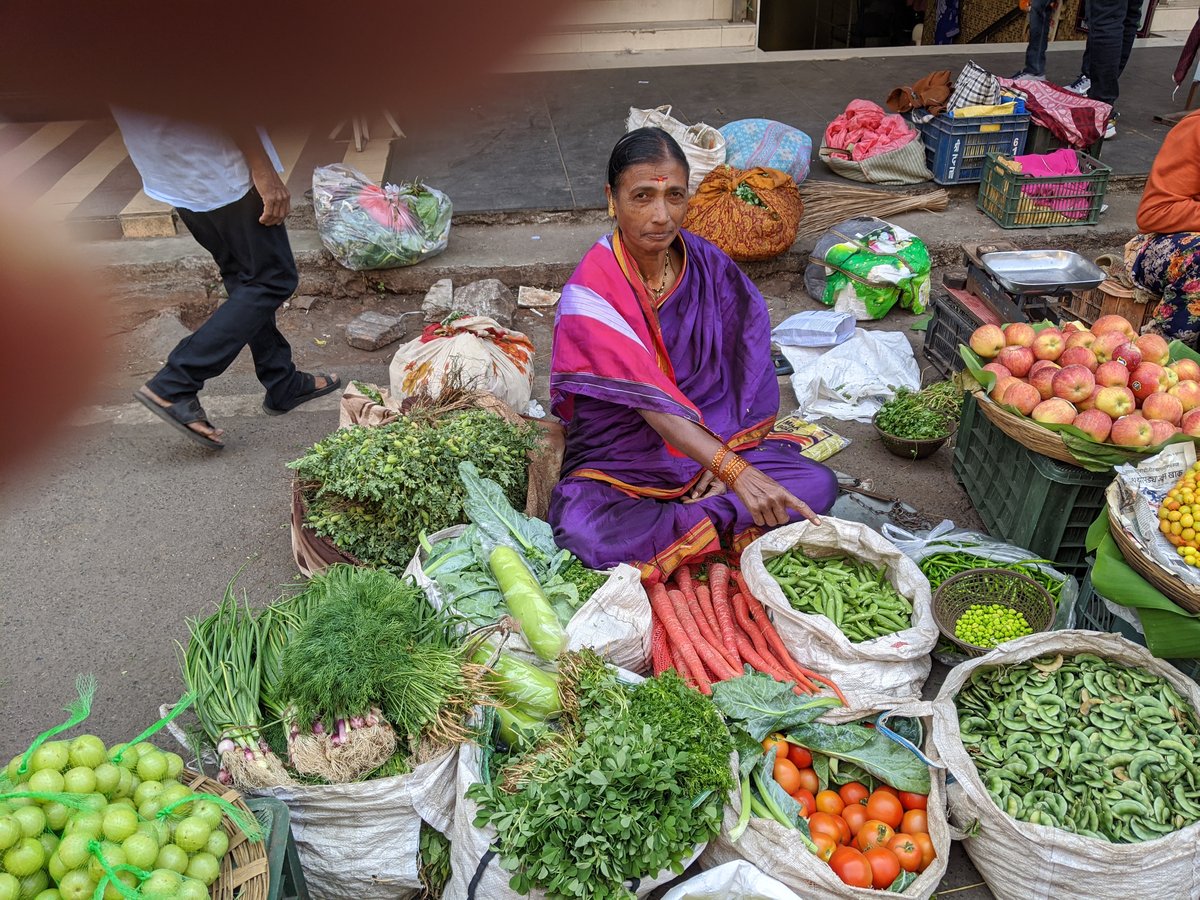
Featured image: Jonathansammy / Wikimedia Commons, CC BY-SA 4.0 (resized). Illustrative street-vendor photograph; not a PM SVANidhi publicity still.