India’s Longest Expressway Is About to Cut Your Delhi-Mumbai Drive in Half

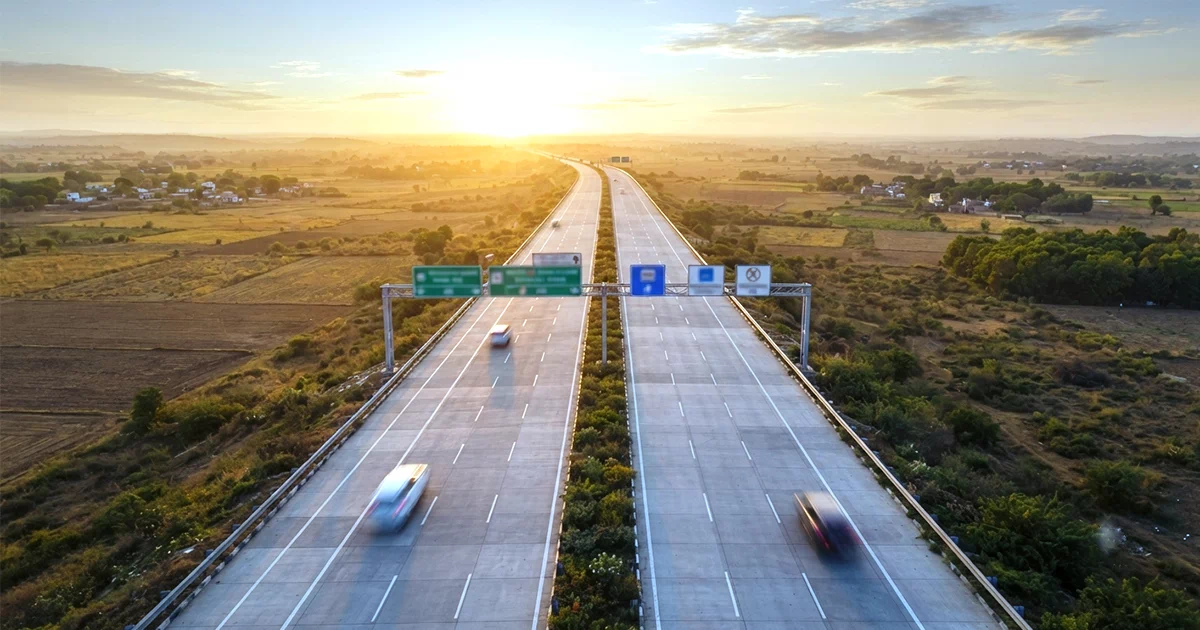
Previously, a car journey that would have taken one whole day and a half days is now likely to be reduced to approximately half the time. Delhi-Mumbai Expressway, India’s largest highway construction work, and is set to become the world’s longest toll road upon completion, will be completed by the end of 2021 — with the last part being from Vadodara to Mumbai, which is going to bridge the last segment of this route, a gap that road-tripers and freight truckers alike have been facing for quite some time.
The numbers that actually matter
Earlier, a car trip taking one and a half days would now probably be shortened to about one half the time, thanks to new infrastructure. The Delhi-Mumbai Expressway is India’s biggest highway construction, a world’s longest toll road in prospect, and it will reach completion in 2021 — the final stretch being from Vadodara to Mumbai, a section that has bridged the gap for road-bikers and freight-truckers, a challenge they’d encountered for quite a while.
Put together, that combination of a shorter route and genuinely uninterrupted high-speed driving is what takes the total Delhi-Mumbai travel time from roughly 24 hours on the existing route down to somewhere between 12 and 14 hours once the expressway is fully complete — a reduction that would have sounded implausible for a road trip of this length just a few years ago.
Where things actually stand right now?
As of the most recent updates, the Delhi-to-Vadodara stretch — the large majority of the total corridor — is already operational, having been completed ahead of the remaining Vadodara-to-Mumbai section. That’s a meaningful practical detail if you’re planning a trip in the near term: you can already drive the bulk of this route on the new expressway today, well before the full corridor’s official completion. The remaining gap, connecting Vadodara through Surat and on to Mumbai, is the section still being finished, with full operational status targeted for the end of 2026.
For context on the segment-by-segment improvements already available on the completed stretches: the Delhi to Jaipur (Dausa) leg has dropped from roughly 270 km and 5-6 hours on traditional highways to around 240 km and 2.5-3 hours on the expressway — a savings of up to 3 hours on just that one segment. Delhi to Kota shows an even larger jump, from roughly 500 km and 9-10 hours down to about 435 km and 4.5-5 hours, saving up to 5 hours. These aren’t hypothetical future improvements — they’re already available to drivers on the completed sections of the route today.
What it’ll actually cost to drive?
Toll pricing works out to roughly ₹2.19 per kilometre for a standard car, which puts the estimated full Delhi-to-Mumbai toll cost somewhere around ₹2,700 for the complete journey — though final toll rates for the entire corridor hadn’t been officially finalized as of earlier reporting this year, since sections were commissioned at different times with somewhat different toll structures. FASTag is mandatory at every toll plaza along the route, consistent with how tolling already works across India’s other major expressways, so anyone planning this drive should make sure their FASTag is active and adequately funded before setting out.
The route itself, for anyone actually planning the drive
The corridor’s general path runs from Sohna in Haryana (just outside Delhi NCR) through Dausa in Rajasthan, on to Kota, then Ratlam, Vadodara, Surat, and finally into Mumbai via JNPT (Jawaharlal Nehru Port). For anyone used to the older NH48 route, this is a genuinely different driving experience rather than just a faster version of the same road — the access-controlled design means you won’t be passing through town centers, dealing with local traffic merging in and out, or navigating the kind of unpredictable slow-downs that have always made the traditional Delhi-Mumbai drive a genuine multi-day undertaking for most travellers rather than a straightforward long-haul trip.
Why this matters beyond just road trips?
It’s worth understanding that this expressway’s significance goes well past recreational driving. Connecting India’s political capital directly to its financial capital through a genuinely high-speed corridor has real implications for freight and logistics along one of the country’s most economically important routes — goods that currently take the better part of two days to move between these two cities by road stand to move considerably faster once the full corridor opens, with meaningful downstream effects for businesses operating along the route in the six states it passes through.
There’s also a real estate and regional development angle worth knowing about if you’re tracking broader economic trends: infrastructure projects of this scale typically accelerate commercial and residential development in towns and districts that suddenly find themselves within a much shorter drive of two major metro economies, rather than sitting in a genuinely remote, hard-to-reach location. Several of the smaller cities and towns along the corridor — Dausa, Kota, Ratlam among them — are likely to see meaningfully improved connectivity to both Delhi and Mumbai’s business ecosystems once the full route is operational.
What to actually do if you’re planning a trip?
If a Delhi-Mumbai road trip is genuinely on your radar, the practical advice right now is straightforward: the Delhi-to-Vadodara stretch is already drivable on the completed expressway, so there’s no need to wait for full completion if your trip only needs to cover that portion, or if you’re comfortable transitioning to the older highway network for the final Vadodara-to-Mumbai leg in the meantime. If you specifically want the full, uninterrupted expressway experience end to end, keeping an eye on official completion announcements toward the end of 2026 is worth doing before finalizing travel dates, since infrastructure projects of this scale have a well-established pattern of shifting final completion dates even when they’re genuinely close to finished.
Either way, this is one of those rare infrastructure stories where the practical travel advice is unusually simple: a trip that’s taken the better part of a day and a half for as long as most people can remember is, within the next few months, expected to become a genuinely manageable single day’s drive — a real, tangible shift for anyone who regularly makes this specific journey.
The completion timelines, the toll rates and the route details represent the most recent official information, but they may change with the nearing of the final phase of the trip. Before making a trip, be sure to check NHAI’s official channels for up-to-date information.