India’s Asian Games 2026 Campaign Ends: 85 Medals, Fourth Place, and a Historic Final Day

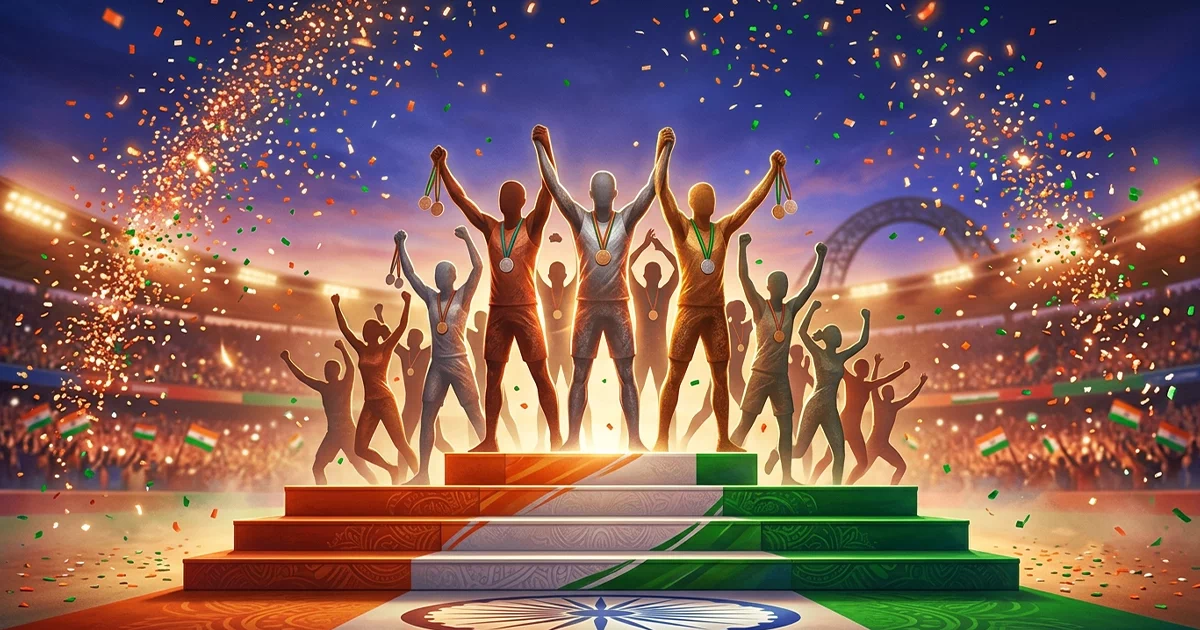
The Asian Games 2026 campaign we’ve been following since the opening ceremony is officially over. India closed out its time in Aichi-Nagoya with 85 medals — 21 gold, 27 silver, and 37 bronze — securing fourth place in the overall standings, behind China, Japan, and South Korea, and comfortably ahead of fifth-placed Uzbekistan’s 70 medals. It’s a genuinely strong finish, even if the final number fell short of India’s record-setting Hangzhou 2023 campaign.
The number against the number that matters
85 medals is India’s second-highest Asian Games medal haul ever, trailing only the 106 won at Hangzhou three years ago. Given that comparison was always going to invite a “did India underperform” narrative, it’s worth being precise about what actually happened: this wasn’t a disappointing campaign dressed up in positive spin — it was a genuinely excellent result that simply happened to follow the single best Asian Games performance in the country’s history. Finishing fourth for the second consecutive Games, while adding a string of historic firsts along the way, is a markedly different story than a decline.
The final day that sealed it
India’s closing stretch was genuinely dramatic. The contingent’s single strongest medal day came with 12 medals in one day, including six golds — three of them in boxing alone. That was followed by another nine-medal haul on the campaign’s final day, including golds in men’s cricket and men’s hockey, which was enough to edge past Uzbekistan and lock in fourth place rather than risk slipping to fifth in the closing hours of competition.
Men’s hockey provided the literal final chapter of India’s campaign, with the team securing a second consecutive gold medal in the event — meaning both the men’s and women’s hockey programmes successfully defended their Hangzhou titles, alongside both men’s and women’s cricket doing the same, a genuinely rare sweep across all four team events for a single nation at one Games.
The breakthroughs that happened alongside the title defenses
Beyond the medal count itself, this campaign delivered a handful of individual moments that matter well beyond this specific tournament. Sawan Barwal won India’s first marathon medal since 1982, setting a national record in the process — a 44-year wait ending in the same event. Sarvesh Kushare’s medal in the men’s high jump ended a 56-year wait for India in that specific discipline, one of the longest individual-event medal droughts broken at these Games for any country.
Squash added its own genuine milestones to the tally, with both Anahat Singh and Abhay Singh reaching their singles finals and claiming silver — results we covered in detail during the Games — while continuing to build India’s case for the sport’s LA 2028 Olympic debut. Rowing and mixed martial arts both delivered first-ever Asian Games medals for India in specific events, breakthroughs that don’t show up prominently in a simple gold-silver-bronze count but represent genuine expansion of the sports where India can now credibly compete for a podium finish.
Why the women’s performances specifically stood out?
Several analyses of India’s overall campaign have specifically flagged the historic performances by Indian women athletes and teams as one of the defining threads of this Game — not just the headline cricket and hockey gold medals, but a broader pattern of Indian women delivering across archery, boxing, wrestling, and athletics throughout the fortnight. That’s a meaningful marker of how much deeper India’s competitive pool has become across women’s sport specifically, compared to earlier Asian Games cycles where medal contributions skewed more heavily toward a handful of established individual stars.
Putting the full campaign in context
Stepping back from the day-by-day results we tracked throughout the Games, the full arc of India’s campaign is worth appreciating as a whole: an early-days standing in the mid-teens of the medal table that genuinely looked uncertain, a dramatic mid-Games surge once athletics and squash fully kicked in (the Day 8 explosion we covered, with five athletics medals in a single day), a genuinely emotional cricket double — the women’s gold secured early with a tournament-record total, and the men’s gold arriving in the campaign’s dramatic closing weekend — and a final-day sprint that turned a comfortable fourth-place finish into a genuinely secured one rather than a photo finish against Uzbekistan.
What this means heading toward 2028?
With squash, archery, hockey, sailing, and several other disciplines offering direct Los Angeles 2028 Olympic qualification quotas tied to performance at these Games, several of India’s standout results here carry weight well beyond the Aichi-Nagoya medal table itself. The depth India showed across archery, shooting, boxing, wrestling, hockey, cricket, and kabaddi throughout this campaign — the same list of disciplines repeatedly flagged across post-Games analysis — suggests a genuinely broader foundation heading into the Olympic cycle than India had going into previous Asian Games, rather than a result built narrowly around a handful of star performers.
Falling short of Hangzhou’s record 106 medals was always a tall order to repeat, given how exceptional that 2023 campaign was in India’s own history. Finishing second-best ever, while adding several genuine individual and team firsts along the way, is the kind of result that builds toward sustained success rather than suggesting Hangzhou was simply a one-off peak.
Final medal tally figures are confirmed as of the Games’ closing. For official records and country-by-country standings, check the Asian Games 2026 organizing committee’s final report.