Muhurat Trading 2026: Date, Time and NSE/BSE Schedule

Muhurat trading 2026 will be held on Sunday, 8 November 2026, the day of Diwali Lakshmi Puja. On both NSE and BSE, normal equity trading runs from 2:20 PM to 3:30 PM, a 70-minute window. The session marks the start of Samvat 2083, the new Hindu accounting year. Below are the full exchange timetable, the timings for F&O, currency and commodities, the November trading holidays, and what happened in last year’s session.
Muhurat trading 2026: date and time
NSE confirmed the schedule in circular NSE/CMTR/76941 dated 19 October 2026, and BSE issued a matching notice the same day. The cash-market session works like this:
| Session (NSE equity) | Time (IST) |
|---|---|
| Block deal window | 1:50 PM – 2:05 PM |
| Pre-open order entry | 2:05 PM – 2:15 PM (limit-only from 2:10 PM, random closure) |
| Pre-open order matching | 2:15 PM – 2:17 PM |
| Buffer period | 2:17 PM – 2:20 PM |
| Normal market (continuous trading) | 2:20 PM – 3:30 PM |
| Call auction for illiquid stocks | 2:25 PM – 3:10 PM |
| Post-close session | 3:50 PM – 4:00 PM |
Closing auction session stocks
The timetable is different for stocks in the closing auction session (CAS). Continuous trading in these stops at 3:15 PM, and the reference price is calculated from 3:15 PM to 3:20 PM. CAS order entry runs from 3:20 PM to 3:30 PM, matching from 3:30 PM to 3:35 PM, and a transition period until 3:50 PM before the post-close session. According to Moneycontrol, BSE will use the volume-weighted average price between 3:00 PM and 3:15 PM as the CAS reference price.
Stocks in the special pre-open session for IPOs and relisted securities have their own timings: pre-open from 2:05 PM to 2:50 PM, then normal trading from 3:05 PM to 3:30 PM. Trade modification is allowed from 2:20 PM to 4:15 PM.
What is muhurat trading?
“Muhurat” means an auspicious time. For many Indian trading families, especially in Gujarat and Rajasthan, Diwali is the start of the new financial year. That evening they perform Chopda Puja, worshipping Goddess Lakshmi and opening new account books. The stock exchanges keep the tradition alive with a short special session on Diwali so that investors can make their first trade of the new Samvat at an auspicious time.
The session is special in timing, but it isn’t a separate market. The same stocks, order types and settlement rules apply. What’s different is that the session is short and held on a day when most participants are celebrating. That’s why volumes tend to be modest and prices usually move only a little.
F&O, currency and commodity timings
| Segment | Trading window on 8 November |
|---|---|
| Equity cash (NSE and BSE) | 2:20 PM – 3:30 PM |
| Equity derivatives (F&O) | 2:20 PM – 3:40 PM |
| Currency derivatives | 2:20 PM – 3:30 PM |
| NSE commodity derivatives | 2:20 PM – 3:30 PM |
| MCX | To be announced separately |
One point traders often miss: all trades in the muhurat session carry normal settlement obligations. It’s a real trading session, not a symbolic one. Buying shares on Sunday afternoon means paying for them in the normal settlement cycle, and intraday positions are treated as usual.
Stock market holidays in November 2026
Muhurat trading falls on a Sunday this year, so there’s no holiday on Diwali itself. According to CNBC-TV18’s holiday list, the exchanges will be shut on two weekdays in November:
- Tuesday, 10 November: Diwali Balipratipada
- Tuesday, 24 November: Guru Nanak Jayanti
On both days MCX closes its morning session but opens for the evening session. The next exchange holiday after that is Christmas, 25 December. Normal trading hours are 9:15 AM to 3:30 PM.
What happened in last year’s muhurat session
In 2025, muhurat trading was held on 21 October from 1:45 PM to 2:45 PM, marking the start of Samvat 2082. According to The Hindu, the Sensex rose 62.97 points (0.07%) to close at 84,426.34, after moving between 84,286.40 and 84,665.44. The Nifty gained 25.45 points (0.10%) to 25,868.60. The BSE Midcap index rose 0.23% and the SmallCap index 0.91%.
For context, the same report said the Sensex had gained 4,974.31 points (6.26%) and the Nifty 1,637.8 points (6.76%) during Samvat 2081.
As last year shows, muhurat-day moves tend to be small, and a short Diwali session tells you little about the year ahead. This year’s session also comes after a volatile stretch. For the background, read why the Indian stock market has been falling in 2026, how the Sensex snapped its longest losing streak in six years, and what is driving global markets right now.
How to approach muhurat trading
- Log in early. The pre-open starts at 2:05 PM. Brokers can be busy at the open, so place limit orders rather than market orders.
- Expect thin liquidity. Volumes in a 70-minute Sunday session are lower than on a normal day, so spreads in smaller stocks can be wide.
- Token buys are fine, but don’t chase. Many investors buy a small quantity of a long-term holding as a tradition. That’s different from trading momentum in an hour-long window.
- Remember the holiday. Tuesday, 10 November is a market holiday, so Monday, 9 November is the only full trading day between Diwali and Wednesday.
- Check your broker’s notice. Brokers usually send their own note before the session. Read it for any rules on order types or margins.
Heading home for the festival? See our guide to Diwali 2026 flight deals before fares rise further.
Frequently asked questions
What is the date of muhurat trading in 2026?
Sunday, 8 November 2026, on Diwali (Lakshmi Puja).
What is the muhurat trading time in 2026?
Normal equity trading runs from 2:20 PM to 3:30 PM on NSE and BSE. The pre-open session starts at 2:05 PM. F&O trading runs until 3:40 PM.
Is the stock market open on 10 November 2026?
No. Tuesday, 10 November is a trading holiday for Diwali Balipratipada.
Do muhurat trading trades get settled?
Yes. NSE’s circular states that all trades executed during the session result in settlement obligations.
Which Samvat begins with muhurat trading 2026?
Samvat 2083.
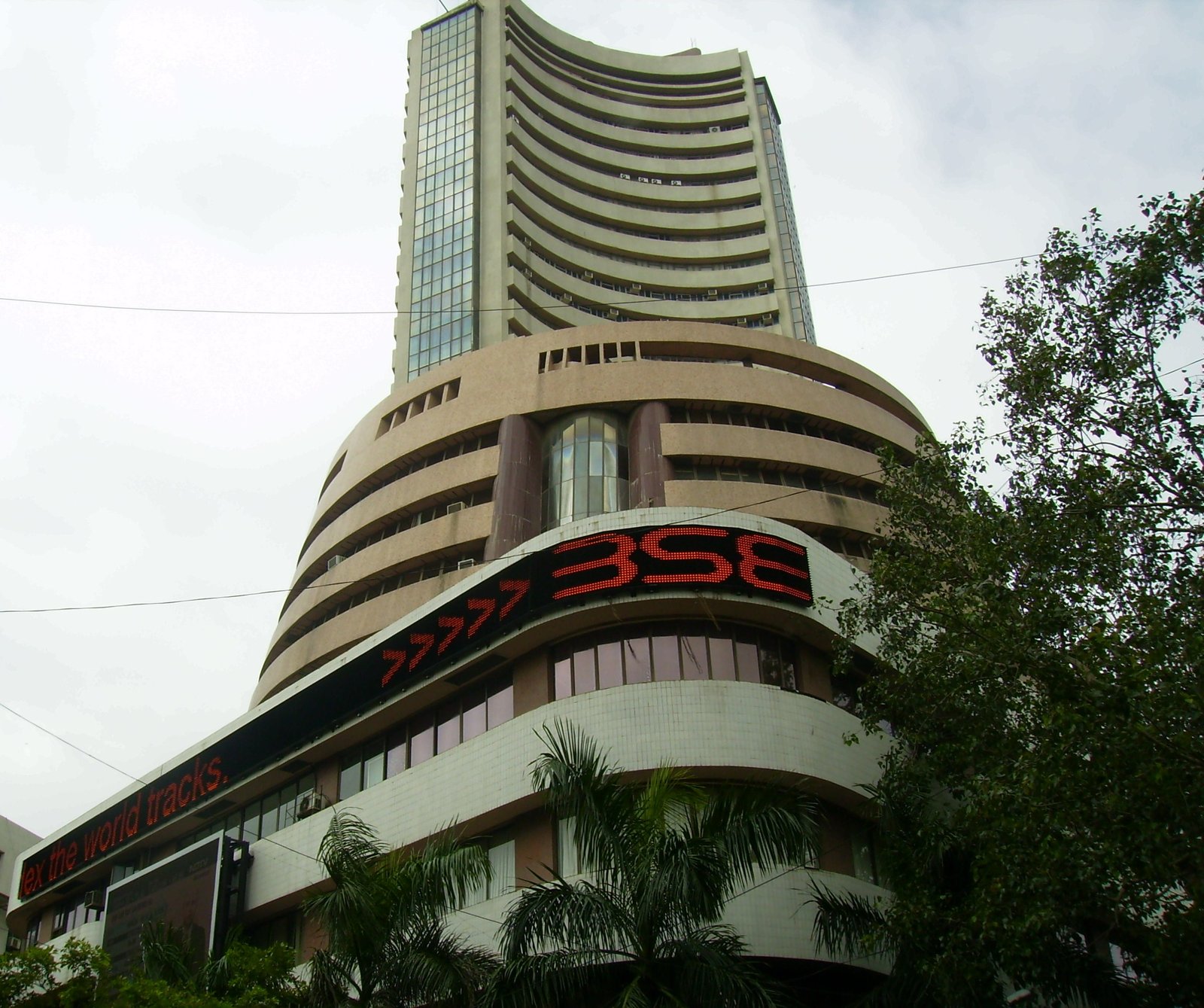
Featured image: Niyantha Shekhar / Wikimedia Commons, CC BY 2.0.