Delhi’s Air Is Fine Today. Here’s What GRAP Means Before It Isn’t

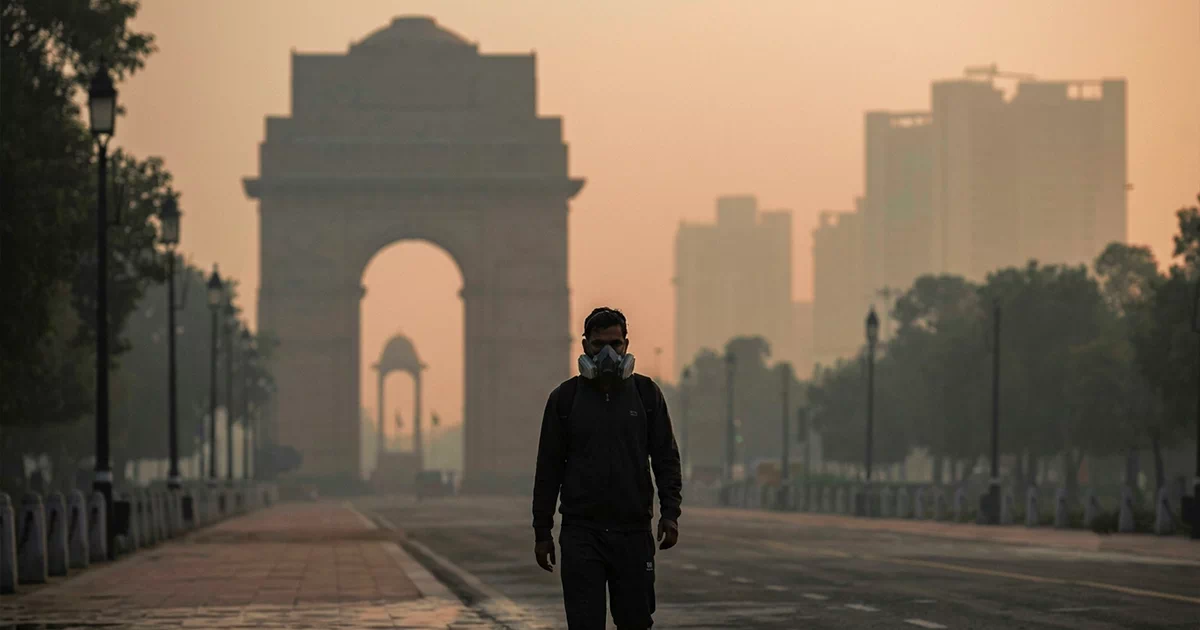
On October 12 at 1 PM, the Commission for Air Quality Management’s dashboard showed a Delhi-wide AQI of 81, which falls in the “Satisfactory” band. If you’ve been following the news and expecting smog, that’s a relief. But anyone who has lived in Delhi-NCR knows that a good reading in mid-October says little about what the air will look like in three weeks. This year Diwali falls on November 8, later than last year, and the winter pollution season is already building. Here’s a plain guide to how Delhi’s emergency system works, what the numbers mean, and what’s worth doing now.
What GRAP actually is?
GRAP stands for Graded Response Action Plan. It’s a set of emergency measures that apply across Delhi-NCR during winter and switch on as air quality worsens. The key idea is that restrictions escalate in steps, so the worse the air, the tougher the rules. The CAQM publishes the schedule and orders the stages.
The four stages, based on the AQI ranges the CAQM lists, are:
- Stage I (Poor): AQI 201 to 300
- Stage II (Very Poor): AQI 301 to 400
- Stage III (Severe): AQI 401 to 450
- Stage IV (Severe+): AQI above 450
Stages can be invoked on a forecast, not just after the air has already turned bad, which means you can see a stage announced while the current reading still looks tolerable.
What the stages tend to bring?
The exact measures are listed in the CAQM’s schedule, and they get revised, so check the latest order rather than relying on a forwarded message. In general terms:
- Stage I is about prevention: tighter control on dust from roads and construction, and stricter checks on the usual local sources of pollution.
- Stage II has, in earlier winters, included a ban on diesel generator sets across the NCR, apart from emergency and essential services, and a ban on coal and firewood, including in tandoors.
- Stages III and IV add much tougher limits on construction activity and vehicle movement and, in the past, have led to changes for schools and workplaces.
None of these stages is permanent. They are lifted when the air improves.
What the AQI bands mean for your body?
The standard Indian AQ categories classify the air quality into: Good(0-50), Medium(51-100), Fair(101-200), Bad (201-300), Very Bad(301-400), and Severe(401-500). Health professionals are in agreement that these vulnerable groups are the ones facing most risk when polluted levels are highest: children, elderly, pregnant women, and those suffering from asthma, COPB, or heart diseases.
If you are among them, do consider discussing with your doctor an individual action plan for a severe pollution day long before you actually need it rather than at the beginning of one.
How this year has started?
The early-October picture was worse than the mid-October reading suggests. On Thursday, October 1, Delhi recorded its most polluted start to October in four years, with an AQI of 166, in the “Moderate” category. Satellite-based monitoring by the Indian Agricultural Research Institute counted 137 farm-fire incidents between September 15 and October 1, including four in Punjab, five in Uttar Pradesh and 14 in Madhya Pradesh on that Thursday alone. One incident was also recorded in Delhi on September 19.
Then the air cleared, as it often does when winds shift, which is why the dashboard showed 81 on October 12. Swings like this are normal in October, and one good day doesn’t tell you much about the season.
Why Diwali matters, and a look at last year?
Delhi’s air quality typically worsens around Diwali because firecrackers pile onto an already loaded baseline of vehicle, dust and farm-fire pollution. A study published in Scientific Reports, which analysed ground and satellite data across 14 cities in the Indo-Gangetic Basin around Diwali, found the festival acted as a pollution multiplier. It raised baseline AQI by two to three categories, and in Delhi’s case it took readings from “Moderate” to “Severe”. The study also pointed to weak enforcement of firecracker bans as a recurring gap.
Last year offers a concrete example. On Diwali morning, October 20, 2025, Delhi’s overall AQI stood at 339 at 9 am, in the “Very Poor” band. Anand Vihar recorded 414 and Wazirpur 412, both in the “Severe” category. The CAQM had already invoked Stage II. That came after the Supreme Court allowed the sale and bursting of green firecrackers in Delhi-NCR under conditions, limited to 6 am to 7 pm and 8 pm to 10 pm on the day before Diwali and on the festival day. This year’s rules for firecrackers may differ, so check the latest court and government orders before the festival.
A practical plan for the next few weeks
- Check a real-time source. The CPCB’s SAMEER app and the CAQM site give actual readings. Don’t rely on forwarded messages.
- Pick the right mask. N95, KN95 or FFP2 respirators filter fine particles, but only when they fit and seal well. Surgical and cloth masks don’t do the same job.
- Keep indoor air in mind. On bad days, keep windows closed, use a purifier if you have one, and avoid burning anything indoors.
- Plan outdoor activity around the AQI. Move exercise and school sports indoors when it’s poor or worse.
- Keep medicines handy. If you or a family member uses an inhaler, keep it accessible and follow your doctor’s plan.
- Time your Diwali shopping and travel. Mornings are often the worst for smog in winter, as cold air traps pollutants close to the ground.
The bottom line
Delhi’s air is currently in the “Satisfactory” band, and there’s no reason to panic. But the season is beginning, the farm-fire count has started, and Diwali on November 8 will add its own spike. Knowing what GRAP’s stages mean, and checking real readings rather than rumours, is the most useful preparation you can do now.
AQI readings and GRAP schedules change daily. Figures here reflect published reports as of October 13, 2026. For current readings and orders, check the CPCB and CAQM. This article is for general information and isn’t medical advice.